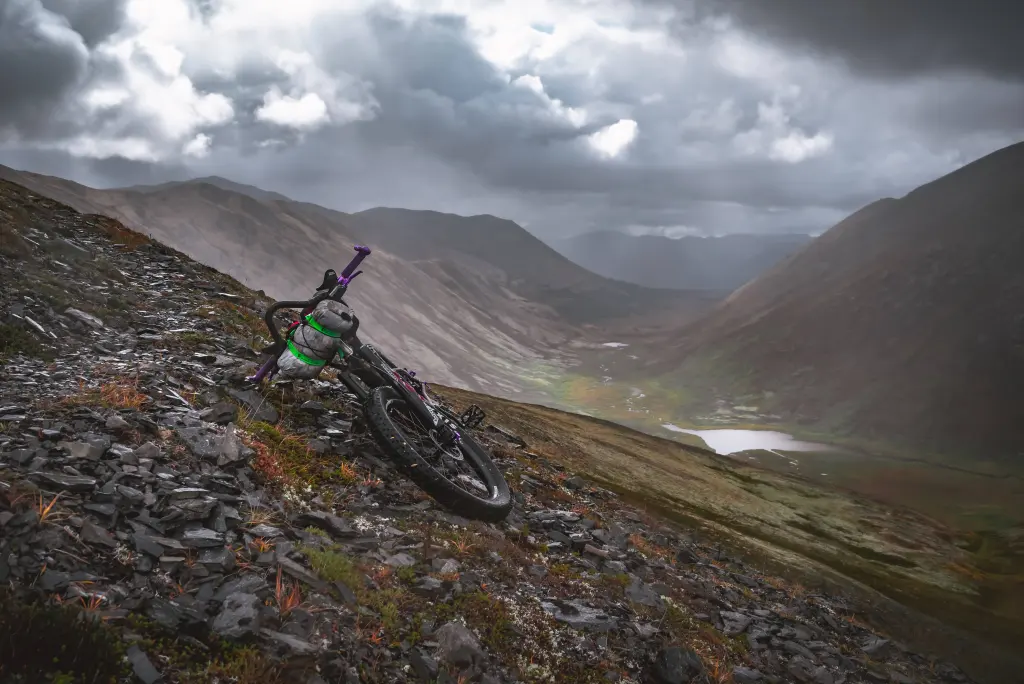
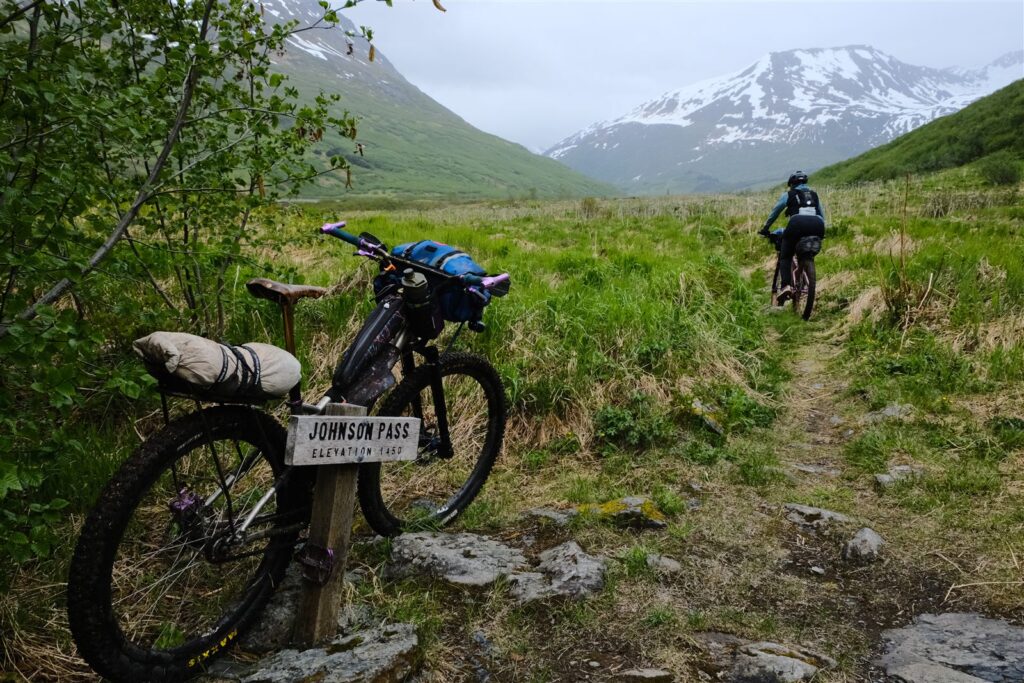
Mountain passes, forest singletrack, lakeside camps, and a new stretch of trail around the next corner. For mountain bikers, the Southern Trek Iditarod offers an exciting possibility: linking some of the Kenai Peninsula’s favorite rides into a longer backcountry adventure.
The Southern Trek Iditarod is a shared corridor between Seward and Girdwood where the Alaska Long Trail, Iditarod National Historic Trail, and Kenai Mountain Bike Trail overlap. Each brings its own purpose and community of supporters, with a common goal of connecting trails and helping people experience this remarkable landscape.
New bridges and trail construction are bringing that vision closer. Thanks to a grant from the Iditarod National Historic Trail Alliance, Chugach Mountain Bike Riders (CMBR) is leading the development of the Southern Trek Iditarod Bikepacking Guide, working with Bikepacking Roots to help riders connect the pieces.
New trails in 2026—and more ahead
Years of planning, funding, and trail work are turning into new places to ride.
The Moose Pass Trail opened in 2026, connecting Primrose to Vagt Lake. The connection from Johnson Pass to Turnagain Pass is scheduled to open in 2027, followed by the lower section of the Turnagain Pass Trail connecting to the inlet, expected to open in 2028. Together, these projects will connect existing trails to create a continuous corridor from Seward to Girdwood.
Behind those experiences are new bridges, carefully built trails, and years of coordination among land managers, trail organizations, funders, and crews. Each opening is a milestone worth celebrating—and a reason to thank the people who kept the work moving.
A guide to the growing adventure
The Southern Trek Iditarod Bikepacking Guide will help riders explore this evolving network through a guidebook and digital route resources.
Will Taygan of CMBR and Cameron Sanders of Bikepacking Roots are collaborating on the guide this winter. Alongside the riding opportunities, the project will introduce people to the corridor’s history and the stewardship behind it.
Our goal is to help riders plan an adventure, understand the connections, and appreciate the places they travel through. As construction progresses, the guide will distinguish available routes from connections still being developed.
Working toward national recognition
CMBR and its partners are also advocating for federal Biking on Long-Distance Trails (BOLT) recognition for the Kenai Mountain Bike Trail, building on the opportunities created by the EXPLORE Act.
Recognition would help introduce more riders to Alaska’s long-distance cycling opportunities and provide a shared focus for continued stewardship, maintenance, and trail connections. Federal agencies are currently reviewing nominations; selection has not yet been announced. Learn about the federal BOLT process.
The guide, construction projects, and recognition effort all contribute to the same vision: connected trails that offer memorable experiences for Alaskans and visitors while supporting the communities along the way.
Many partners, a shared vision
CMBR is proud to bring partners together around the guide and the broader opportunity for backcountry cycling. We’re building on decades of commitment to the Southern Trek Iditarod, and we’re grateful to everyone helping carry that work forward.
Thank you to the Iditarod National Historic Trail Alliance for the grant making this guide project possible, and to Bikepacking Roots for its route expertise and collaboration.
Thank you to Alaska Trails, the U.S. Forest Service and Chugach National Forest, and the National Forest Foundation for advancing the trail connections behind these opportunities.
We appreciate Senator Lisa Murkowski and her staff for supporting recreation investments and taking time to hear directly from partners about the value of these trails to Alaska’s communities.
We’re also thankful for our fellow advocates—including Alaska Off-Road Cycling Alliance, Singletrack Advocates, Valley Mountain Bikers and Hikers, IMBA, and Outdoor Alliance—for helping build support for connected trails and outdoor recreation.
And to the funders, trail crews, volunteers, and longtime advocates who keep showing up: thank you. Your work becomes the bridge someone crosses, the trail a family explores, and the adventure a rider remembers.
We look forward to sharing more as the guide develops and new connections open. There’s a lot to be excited about on the Southern Trek—and a lot of people to thank.